- MIG
- TIG
- MMA
Welding Burn Through: What Is It, What Causes It & How to Prevent It
Sarah Mazlin
13 October 2025
Burn through is a common weld defect you can run into while welding. It happens almost exclusively on thinner materials like sheet metal, which are generally harder to work with when welding.
You can burn through no matter what kind of welding process you’re using, so it’s a good idea to know what burn through is, what causes it, how to prevent it and what to do if you are left with a hole in your weld.
What Is Burn Through?
Burn through occurs when the filler metal melts through the base metal and protrudes out the other side, leaving a hole. Burn through is also referred to as ‘melt through’.
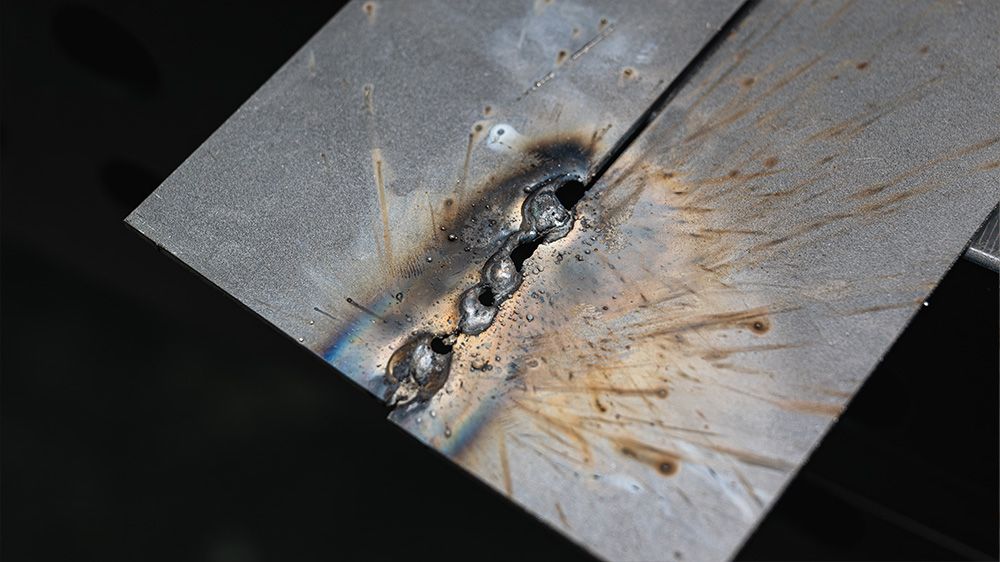
Burn through happens more often on thinner metals, materials with low heat conductivity (like stainless steel), and on root passes.
Why Is It Bad?
Burn through is a serious weld defect that significantly reduces the strength and integrity of the weld joint. All weld defects result in a weakened weld but burn through leaves holes and gaps in the metal, which is a serious problem that will likely crack or completely deform under a load.
On top of being structurally compromised, repairing it can be costly and time-consuming, as the job will either need to be restarted or more weld metal will be needed to fix the hole before it can be redone.
Burn through is also not aesthetically pleasing. No one wants to see a weld with holes in it.
What Causes Burn Through on a Weld?
The main cause of burn through is too much heat in the metal. How you might end up with too much heat can happen in several ways.
Too High an Amperage
One of the main things that will give you too much heat input in a weld is having your amperage too high. The higher it is, the hotter your weld is. Too hot, and it’ll burn through.
Too Slow a Travel Speed
The speed you travel at also impacts the heat input in the weld. The slower you travel, the more heat will build up in the joint. Sit in one spot for too long, and the weld will melt straight through.
Not Cleaning Your Base Metal
If you’re working with metals like aluminium or galvanised steel, you may not be cleaning your metal thoroughly enough. These materials have surface layers that need to be removed to get proper penetration and not have issues while welding.
For example, aluminium forms a thin oxide layer when exposed to air, which helps to protect it. However, if you don’t remove this layer with a stainless wire brush or by wiping it down with acetone, it’s going to be a struggle to weld.
Aluminium melts at around 660°C, but the oxide layer on top melts at about 2000°C. That means you could be melting the aluminium underneath the surface layer without realising it, which can blow straight out the other side and leave you with burn through.
Improper Joint Fit Up
Poor joint preparation and not lining your base plates up properly can lead to burn through. If the joint you’re working on is fitted up with a larger than necessary gap, or they’re wonky, and one side has a wider gap than the other, it’s going to cause a problem.
Trying to fill in a poorly fitted joint with gaps makes it harder, as more filler and time are needed to fill the space, increasing the heat input in the joint.

Grinding Too Much Base Metal
When prepping your metal, you’ll likely be using a grinder at some point, whether you’re using it to clean your metal or you need to bevel the joint for proper penetration. Either way, you want to be careful not to grind too much base metal away.
Removing too much material while grinding will make it easier to burn through. Similarly, if you make the bevel too deep, there’s not as much material left to be welded, and you could burn through.
Poor Weaving Technique
Weaving a weld usually involves spending more time at each point in the joint or moving back over an already hot part of the weld (triangle weaves or cursive e weaves). For the most part, it works to help spread the heat through the joint.
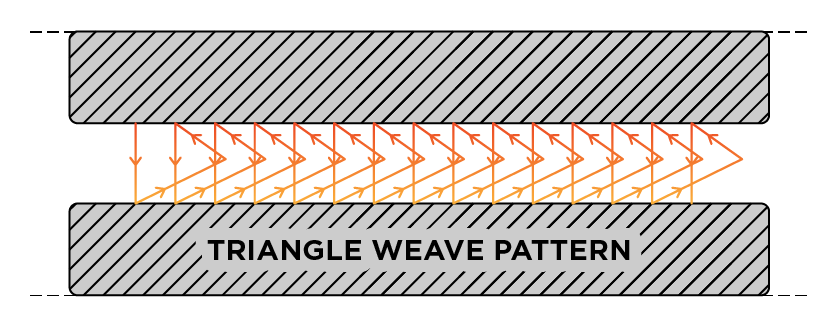
However, when this isn’t done correctly, and if you pause too long at each or any point, you can burn through your metal as the heat input becomes too high.
Wrong Welding Process
Several different welding processes are available today, some much more specialised than others. But, using a welding process that doesn’t suit your material thickness, like stick welding on sheet metal, can cause burn through. High heat input weld processes, like stick welding, aren’t going to work for every application.
How to Prevent Burn Through
Once you know what causes burn through, there are plenty of ways to go about preventing it.
Reduce Your Amperage
If you’re running so hot that you’re melting straight through your workpiece, turn down your amperage or voltage and wire feed speed.
Not sure what your amperage should be for your material thickness? Most MIG welders, including UNMIG machines, come with a settings chart installed in the door, giving you a good starting point.
You can also check out the Ultimate Welding Guide for full settings guides across TIG and stick welding if you’re not sure where to start.
Increase Your Travel Speed
If you’re welding so slowly that you’re burning straight through your metal, you’ll need to increase your travel speed. If you’re working with sheet metal especially, a faster travel speed will help move the heat along the joint and minimise your chances of burn through.
Be careful not to weld too fast, as that can cause other issues, like undercut, and you might find that your weld sits on top of the joint rather than penetrating into it.
Properly Clean & Prep Your Metal
Make sure you thoroughly clean any material you have, including grinding, wire brushing and acetone wiping where necessary to remove anything from the surface of your metal. Any kind of surface coating, like the oxide layer on aluminium, needs to be cleaned off for the best possible results.
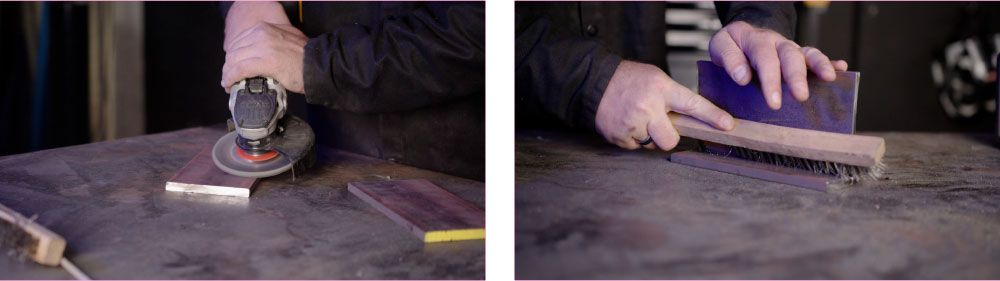
Once your metal has been cleaned, the next step is to line your joint up and clamp it together. When lining your joint up, you want everything to be flush. One side shouldn’t overlap, while a large gap forms on the other.
Don’t Over Grind
When grinding your base metal, whether to clean it or to bevel the joint, watch how much base metal is being removed as you go.
When grinding thinner material and sheet metal back to bare metal, removing too much of it in the process makes it easier to burn through, so you don’t want to grind too hard while cleaning.
If you make your bevel too deep and there’s a root gap, especially a large one, you can burn through, so getting your bevel angle and depth correct will prevent that.
Don’t Weave if You Don’t Need to
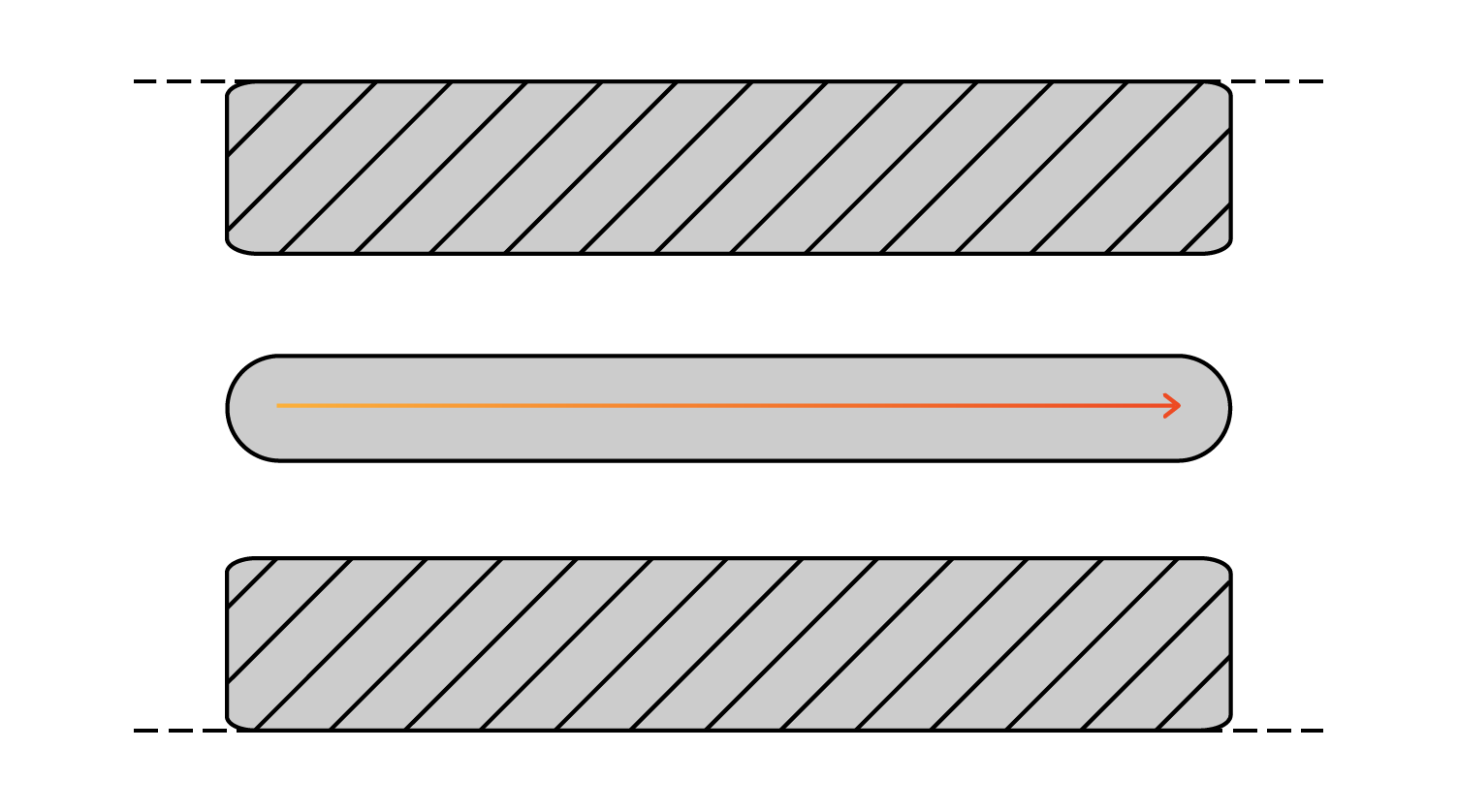
You don’t always need to weave; in fact, you usually don’t need to. A stringer bead (a straight bead) works for most applications, and that way, you can travel along the joint at a good speed without worrying about your torch manipulation.
Use the Right Welding Process for Your Job
Don’t use an aggressive welding process like stick when working with thin material or on sheet metal. Stick welding has a minimum thickness recommendation of about 2mm. Anything thinner than that, and you’ll want to swap processes. In general, for sheet metal, TIG welding would be much more suitable, but you can also use MIG.
Use a Heat Sink or Backing Plate
Copper and aluminium can be used as backing plates to help keep the heat level of the weld down. Heat sinks and backing plates are specifically designed to pull heat out and away from the weld joint while you weld. That way, your heat input is reduced, and you won’t burn through.
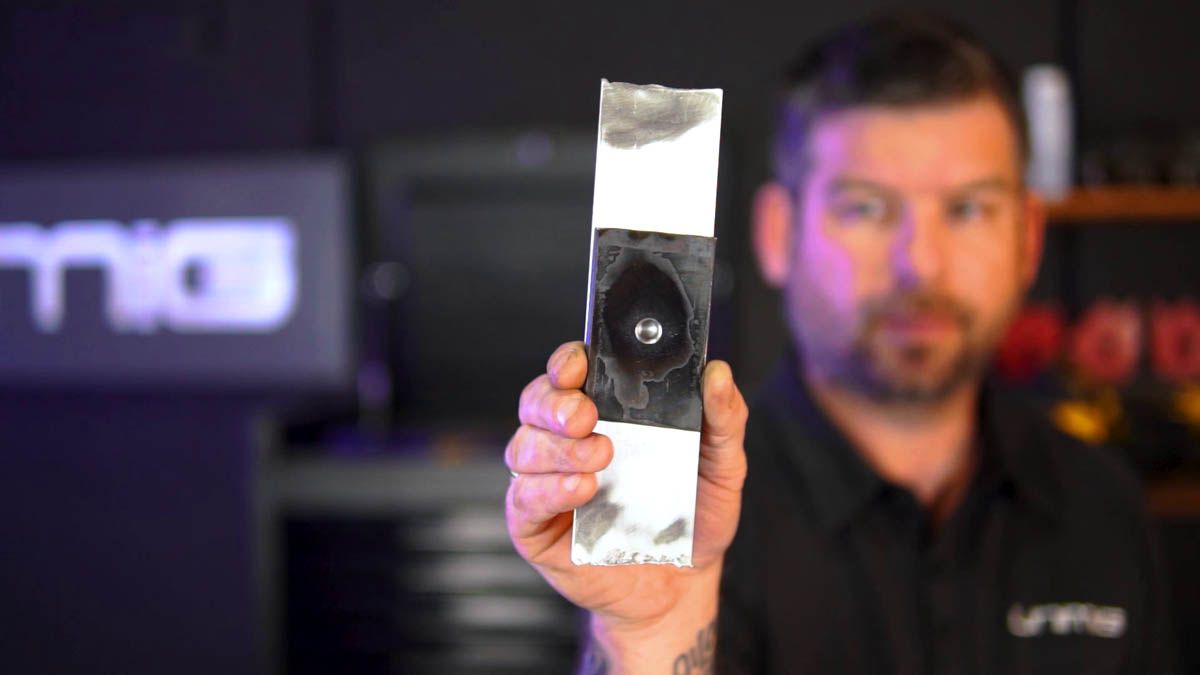
They’re also easy to remove even after they’ve been welded over, as steel won’t stick to aluminium or copper, and aluminium won’t stick to copper. Just don’t use an aluminium backing plate on an aluminium weld.
How to Fix Burn Through
If you burn through your weld, there are two things you can do, depending on the job. The first is to fill in the hole.
To fill in a hole, you’ll need to adjust your settings so you don’t blow through again, attach a backing plate to support the molten metal you’re about to add, and then fill in the hole until it’s gone. Then, you can grind it down to be flush with the rest of the base metal and weld over it as if it was never there.
Check out our blog on how to fill holes in your weld for a full rundown on filling in any burn through you might have.
The second thing you can do is start from scratch. Starting again is not always going to be possible, and it’s not cost-effective, but sometimes your workpiece won’t be fixable.
You can burn through your metal in several ways, though the main cause is excessive heat input. If you do get burn through on your weld, you’ll need to plug the holes, or you can start again from scratch. Either way, it needs to be addressed, or your weld will fail.
Get The Free Ultimate Welding Guide!
Welding tutorials, tips, and settings in one eBook.