- MIG
- TIG
- MMA
Welding Cracks: What Are They, What Causes Them & How to Prevent Them
Sarah Mazlin
18 August 2025
A weld crack is a weld discontinuity that is almost always a defect that occurs in the weld metal or the heat-affected zone (HAZ) of the base metal. Welding cracks are unacceptable and need to be removed and repaired, as they weaken the weld and cause failure.
There are several types of welding cracks, and while they’re all serious, they can be prevented in many ways. You can do several things before, during and after a weld to reduce the chances of it cracking.
We’ve covered all the different types of cracking you might run into, what causes them, and how to prevent them.
What Causes a Weld to Crack?
A crack will occur in your weld when the internal stresses exceed the strength of the base metal, the filler metal, or both.
There are several reasons why your metal can become weaker than the internal stresses, including poor joint geometry (bad fit up), low material ductility (a metal’s ability to withstand stress), poor heat treatment (either before or after the weld), and excess hydrogen in the HAZ, which can all lead to cracks.
What Causes Stress in a Weld?
Two main types of stress impact a weld joint:
- Residual welding stresses
- Physical loads
Residual welding stresses form during the expanding and contracting of the metal during a weld and occur internally in the weld joint and the HAZ.
Heating metal to its melting point will cause it to expand, which is what happens when you are welding a joint. Then, when it starts to cool, it contracts. This contraction is often referred to as ‘shrinkage’.
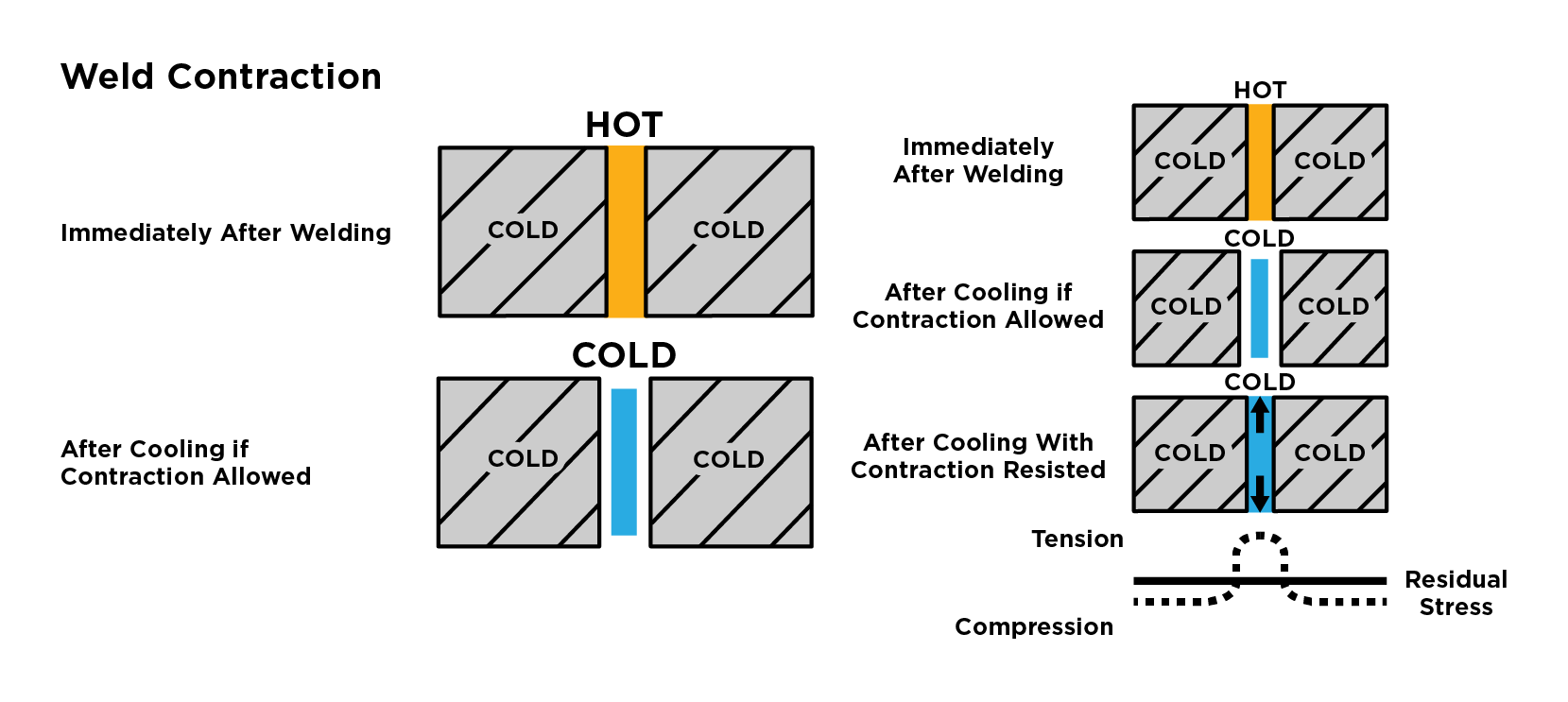
When the weld metal shrinks (contracts), it ‘pulls’ at the base metal, which causes residual stress. Cracking occurs when the base metal isn’t strong enough (doesn’t have enough tensile) to withstand the shrinkage of the weld.
The wider and deeper a weld, and the higher the filler and base material yield strength, the higher the residual stresses.
Internal residual stresses are the more frequent causes of weld cracking, but they’re not the only stress. In some cases, they might only weaken the metal, and a physical load applied to the weld will finish the job.
Physical loads are the loads applied to a weld in everyday use. Some loads are small, like those on display stands or handrails, whereas welds on vehicle bodies need to endure tension, compression, vibration, twisting and flexing.
Welds can be subject to cyclic loads, which is when a load is continuously applied, removed, and reapplied in a regular or irregular pattern over time. The amount of ‘cycles’ a weld can withstand is known as its ‘fatigue strength’. Welds on aeroplanes, automobiles and bridges are all subject to fatigue stresses and need to be able to endure hundreds or thousands of cycles.
Types of Weld Cracks
Two types of cracking can occur in a weld:
- Hot cracks
- Cold cracks
These two types of cracks have different causes and manifest in different ways in a weld.
What Is a Hot Crack?
A hot crack, or hot shortness, forms during the solidification process of the weld while the weld is still hot, usually over 538°C (1000°F) and will appear either during the weld or immediately after.
Hot cracking happens when the metal is still solidifying and the weld pool is shrinking. The partially fused grain boundaries of the weld, which haven’t fully hardened, begin to tear due to the low melting point of materials in the weld. These materials are rejected to the centre of the weld, and the shrinkage-induced stress causes them to separate.
Hot cracking is also caused by an inefficient amount of filler material in the joint, so there is not enough weld metal to fill the spaces caused by shrinkage strains.
They can appear as either solidification cracking, which forms on the fusion zone, or liquation cracking, which forms on the HAZ. They’re most commonly longitudinal and run along the centre of the weld, though there are several types of hot cracks.
Types & Causes of Hot Cracks
Three types of hot cracking can occur in a weld:
- Longitudinal or centreline cracks
- Lamellar tears
- Crater cracks
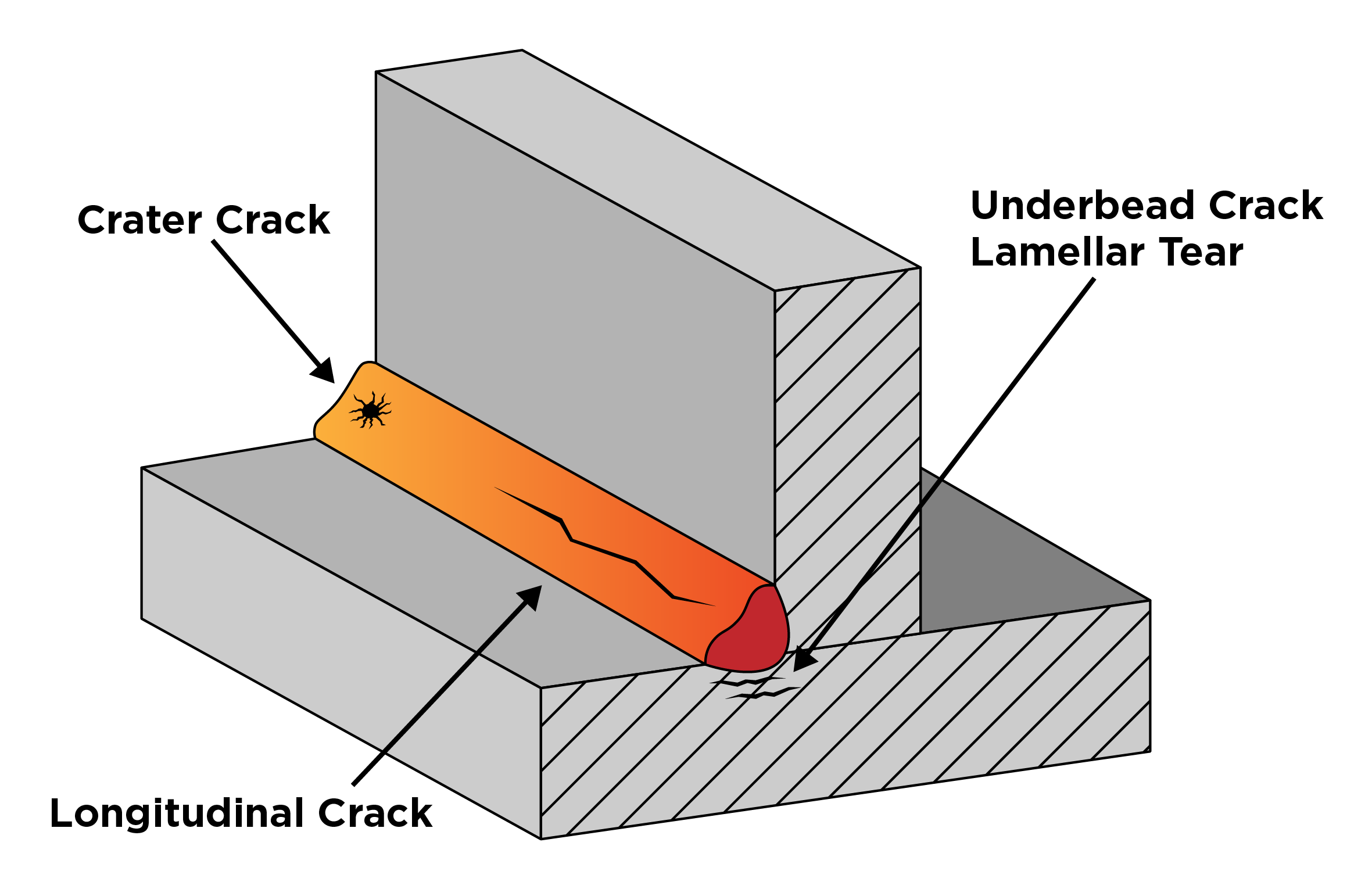
These each have their own appearance and causes, though they are all a kind of hot crack.
Longitudinal or Centreline Cracks
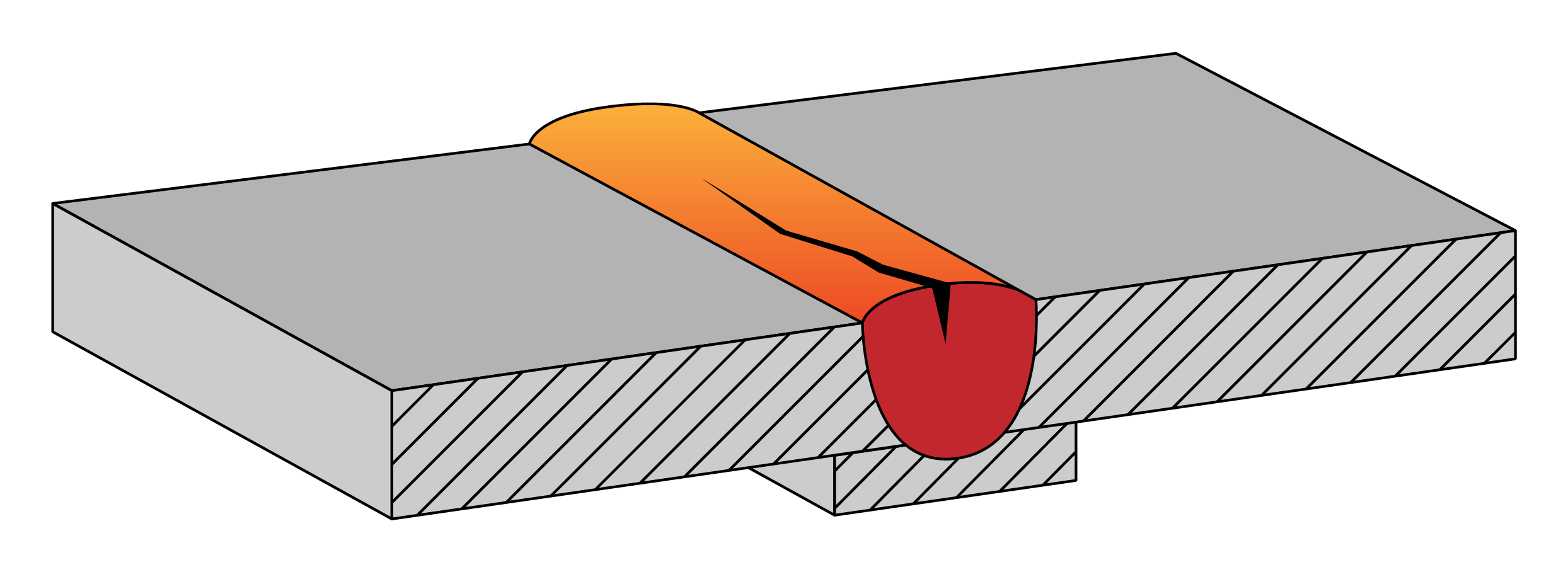
Longitudinal, also known as centreline, cracks are the most commonly associated with hot cracking. These cracks happen during or immediately after welding and run lengthwise along the centre of the weld.
There are three different circumstances that can cause centreline cracking: segregation induced cracking, bead shape induced cracking, or surface profile induced cracking.
Segregation induced cracking occurs when low melting point materials are forced into the centre of the joint as it solidifies because they are usually the last to do so. The weld then contracts away from the area that contains these materials, in this case, the centre.
Low melting point materials include phosphorous, zinc, copper, and sulphur, so steel with high sulphur and low manganese or steel with high carbon and phosphorus are often subject to centreline cracking.
Bead shape induced cracking occurs when the depth-to-width ratio of the weld isn’t the same. A wide weld with a thin throat or a narrow weld with deep penetration can weaken the weld and put unnecessary stress on the weld bead, causing it to crack.
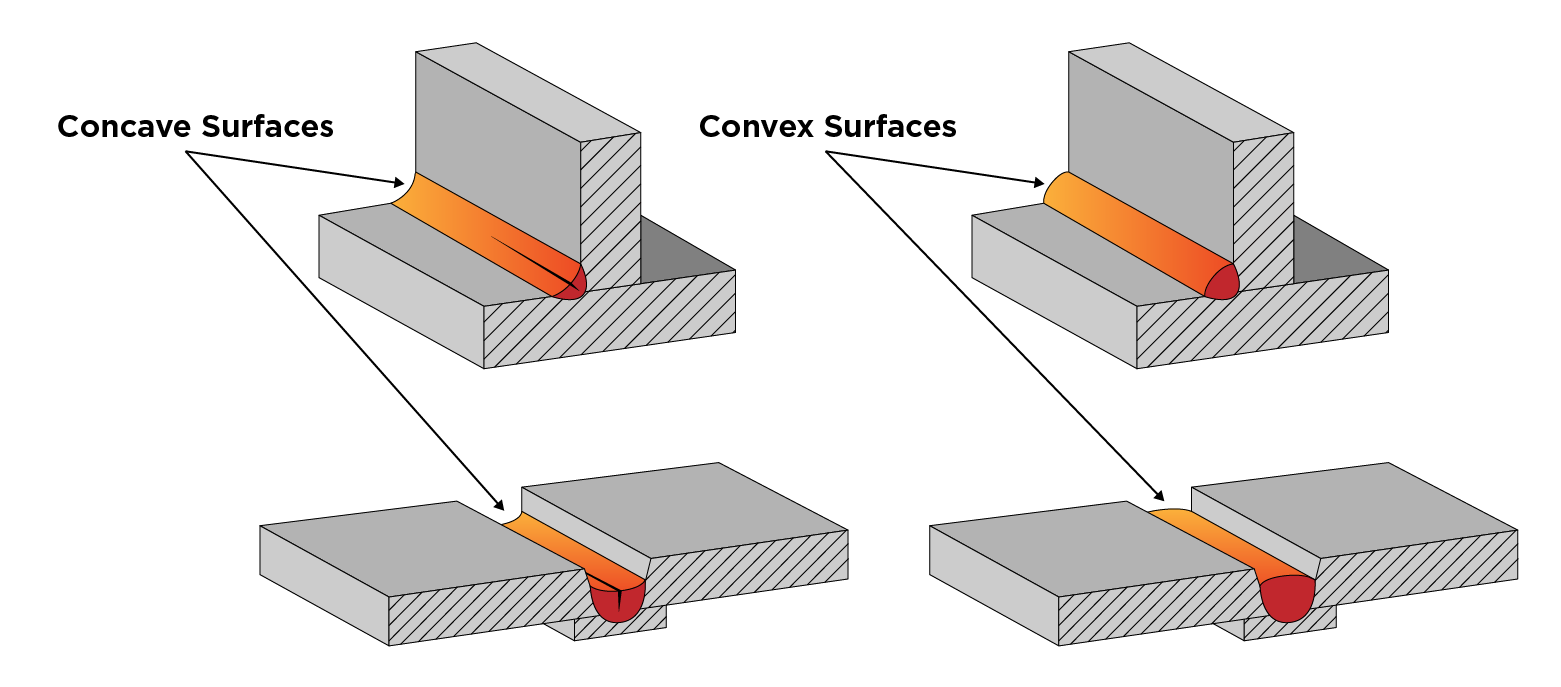
Surface profile induced cracking occurs when concave or convex weld beads are made. The internal shrinkage stresses place tension on concave welds and pull convex welds into compression. Both work to weaken the weld and lead to a centreline crack, though it is more common in concave welds.
Lamellar Tears
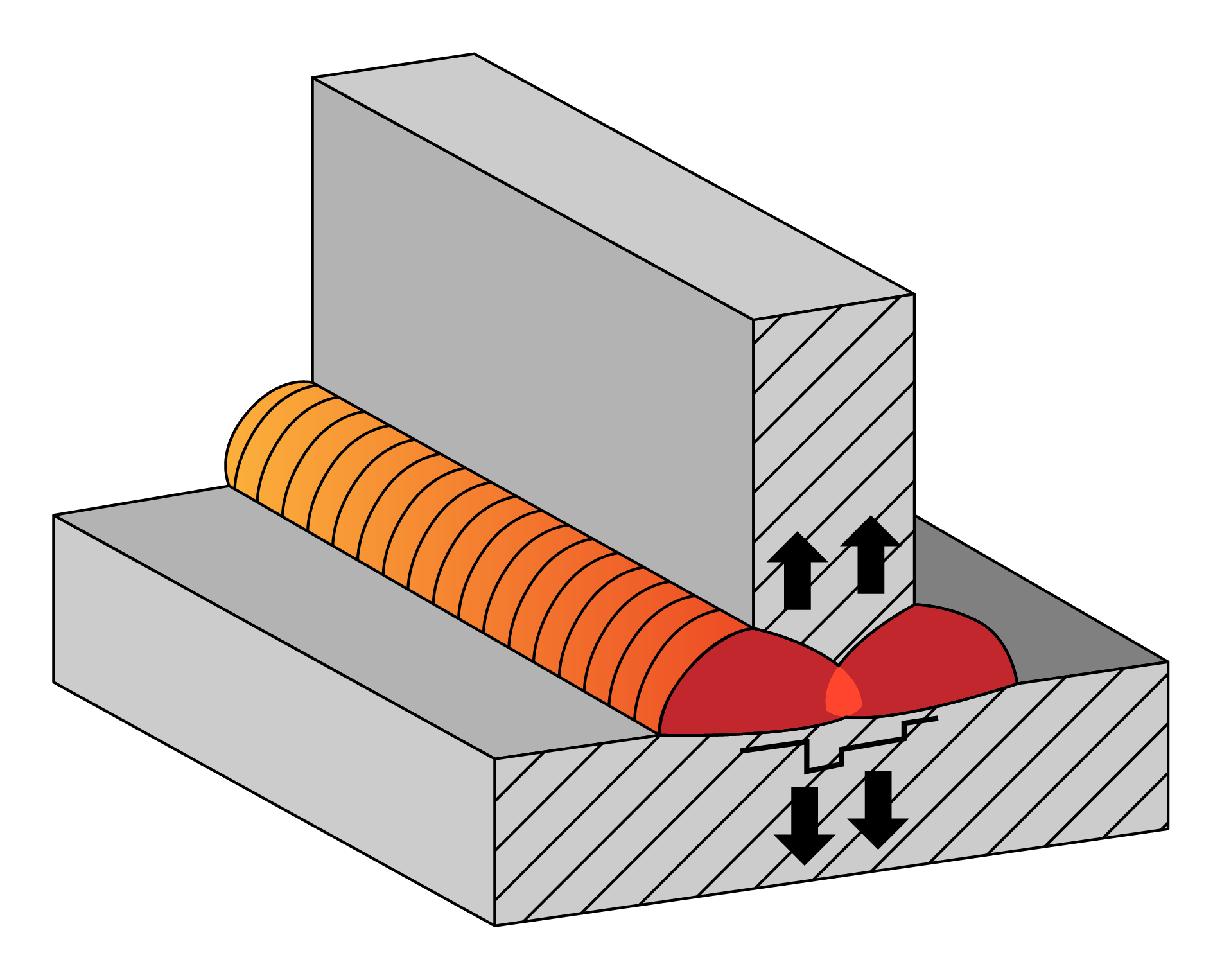
Lamellar tears occur only in the base metal, underneath the weld and often outside of the visible HAZ, usually horizontally (crossways) across the plate.
The combination of transverse (horizontal) shrinkage strains, the fusion boundary of the weld running parallel to the plate, low ductility (how much it can deform or stretch without fracturing), and a high sulphur content will cause lamellar tearing.
Lamellar tearing typically only happens on rolled steel products with high sulphur and low through-thickness ductility. Through-thickness ductility refers to the metal’s ability to deform in the direction perpendicular to the rolled surface or along its thickness.
The tearing is called ‘lamellar’ because it tends to follow the non-metallic inclusions in the material, which are often elongated in the rolling direction, leading to a stepped, or lamellar, appearance.
Crater Cracks
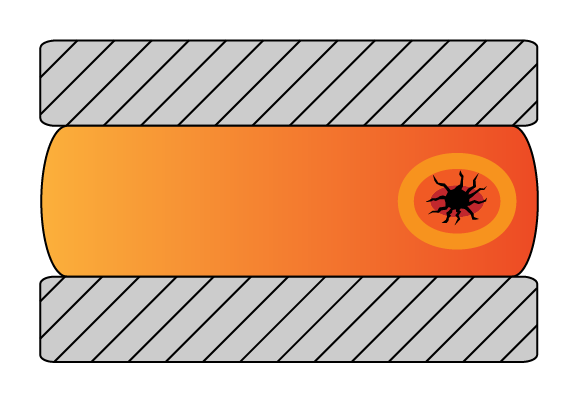
Crater cracks occur at the end of a weld bead, but they can spread down the length of your weld to form a longitudinal crack. They usually form because the end of the weld doesn’t have enough filler metal deposited or if it’s too shallow to deal with the internal shrinkage stresses.
What Is a Cold Crack?
A cold crack, which is also sometimes referred to as ‘heat affected zone cracking,’ ‘underbead cracking,’ ‘toe cracking,’ ‘delayed cracking,’ or ‘hydrogen assisted cracking,’ forms below temperatures of 200°C (392°F). They won’t always form immediately and can take days, weeks, or months to appear. They also might not occur until a certain load is applied to the weld.
Cold cracks are hard to identify because they usually form inside the weld and the HAZ rather than on the surface, so it’s necessary to use radiographic (x-ray) testing to detect them. They also often start in the HAZ and spread into the weld joint.
For a cold crack to form, there are three conditions that need to occur at once: an excessive amount of hydrogen, a sensitive microstructure and applied residual stresses.
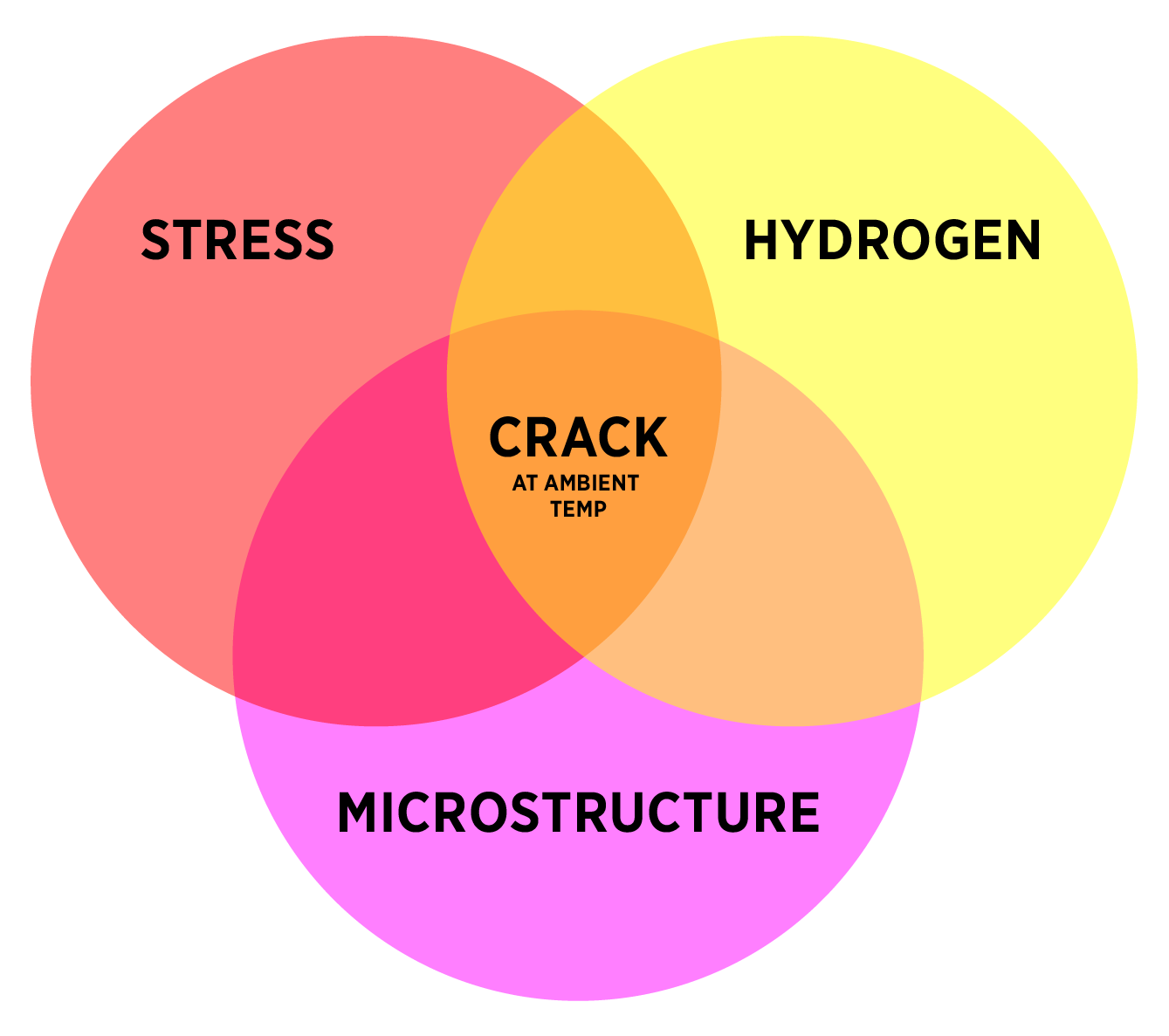
Hydrogen dissolves into the weld and spreads into the HAZ. Hydrogen can enter the weld pool from several places, including from the metal itself in the form of oil, grease, dirt, rust, paint or coatings, from the filler material, the shielding gas or flux, and the atmosphere.
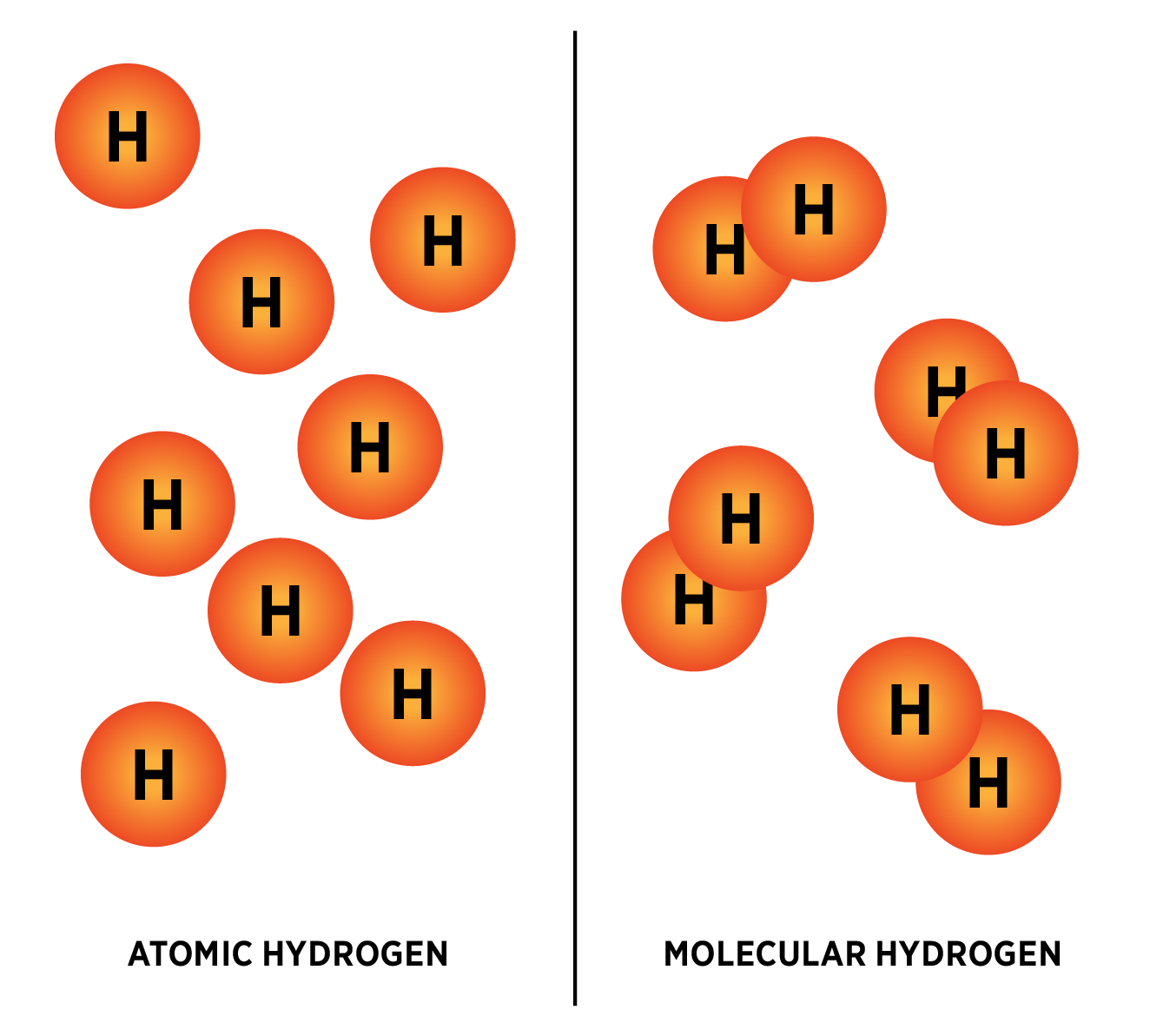
The heat from the welding arc disrupts the stable molecular hydrogen (H2) and creates two single, unstable hydrogen atoms (H). These hydrogen molecules then begin to concentrate around sensitive microstructures.
These sensitive microstructures form with fast cooling rates and higher hardenability levels in the metal.
As the HAZ is heated by the arc, it is changed from its ferrite structure to an austenite structure. Then, when it cools, its cooling rate will determine its microstructure. A rapid cooling rate will result in the formation of a crystalline microstructure called martensite. Martensite is very brittle and lacks ductility.
A fast cooling rate can occur with lower heat input welding, thick base materials and cold base metal temperatures.
Higher hardenability occurs from increased carbon and/or alloy levels in the metal, like high-strength steels.
The build-up of hydrogen adds additional stress to the metal, which is already suffering residual stresses from the welding process. When too much hydrogen accumulates around these microstructures in the HAZ, a cold crack will form.
The diffusion of hydrogen into the HAZ can take time, which is why cold cracks aren’t tested for until several days after a weld has been made.
Types & Causes of Cold Cracks
Four types of cold cracks can form within the HAZ and along the weld:
- Toe cracks
- Root and underbead cracks
- Transverse cracks
- Fusion-line cracks
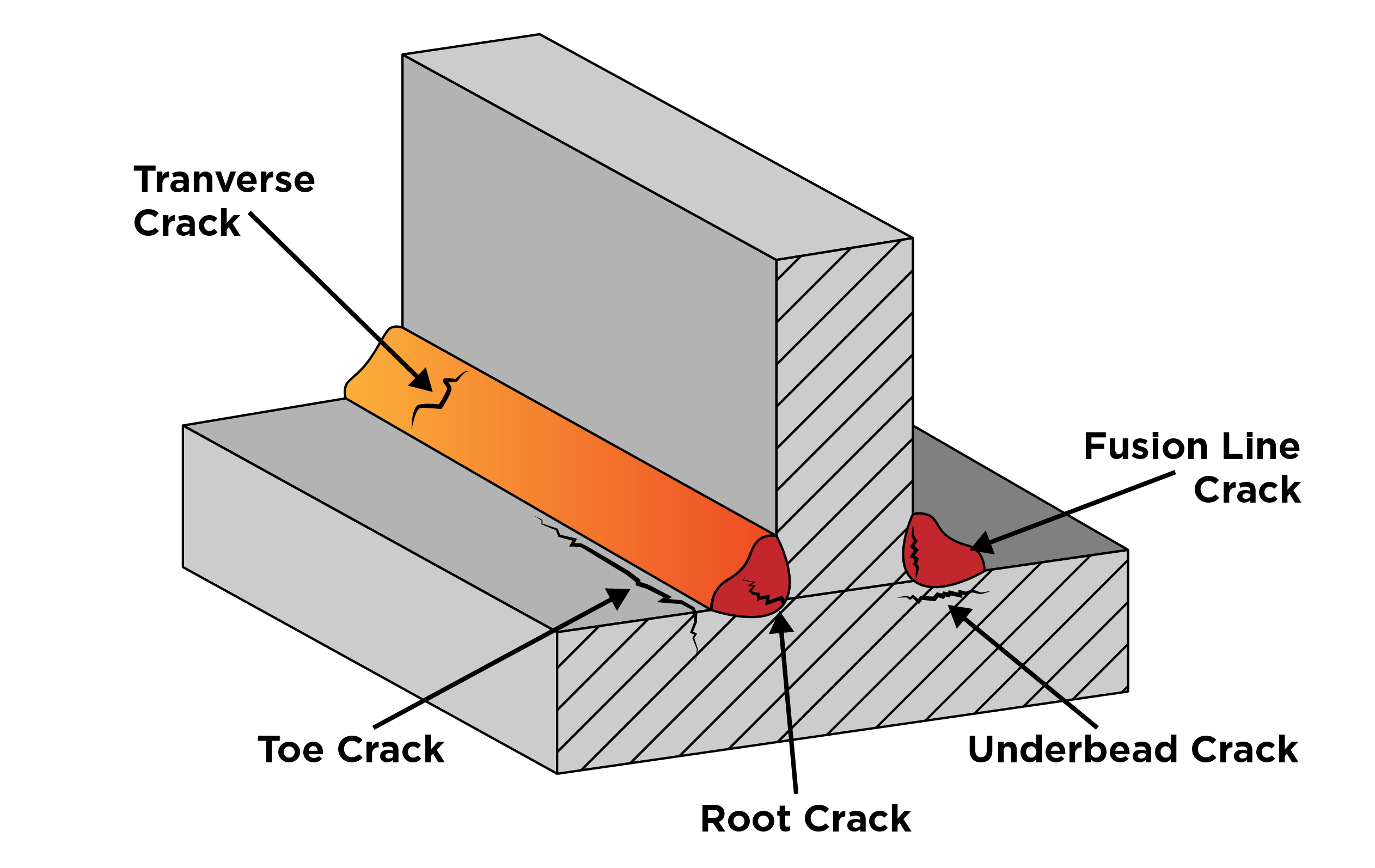
These each have their own appearance and causes, though they are all a type of cold cracking.
Toe Cracks
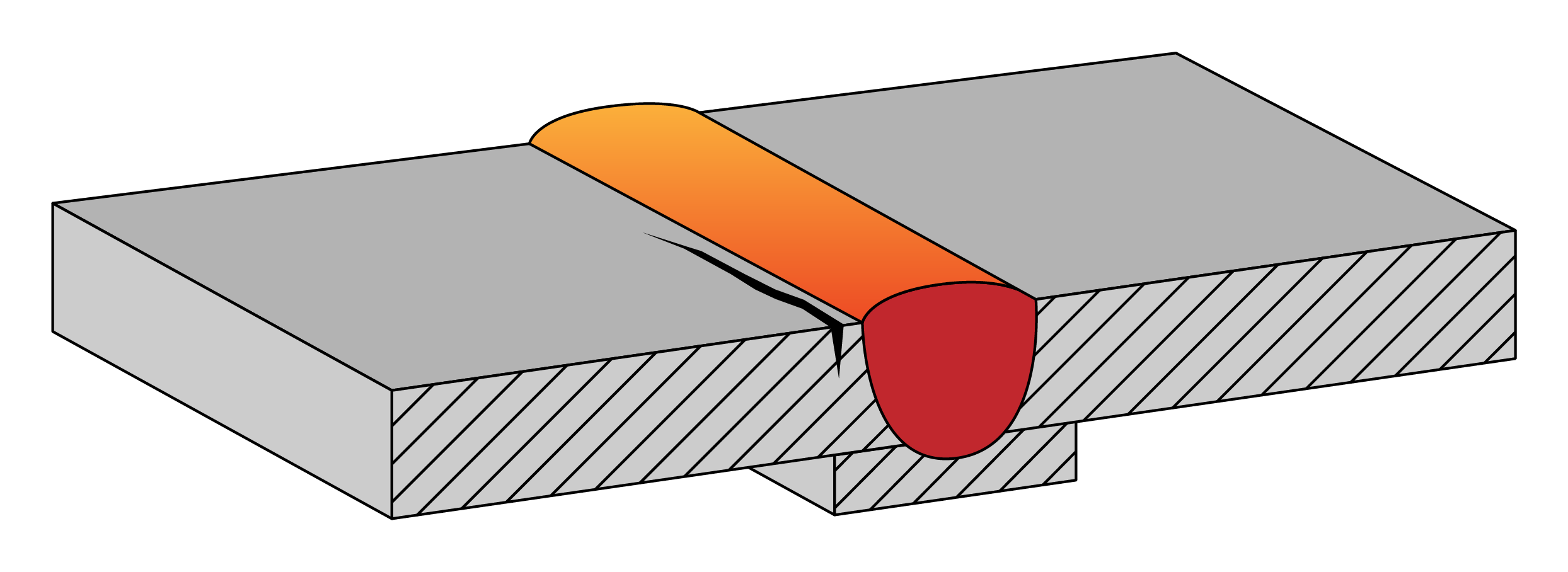
Cold cracking generally occurs in the toes of the weld, as this is where hydrogen mostly commonly accumulates. It is also a common area for residual stress. The combination of internal stress and hydrogen embrittlement is the perfect place for a cold crack to form.
Root & Underbead Cracks
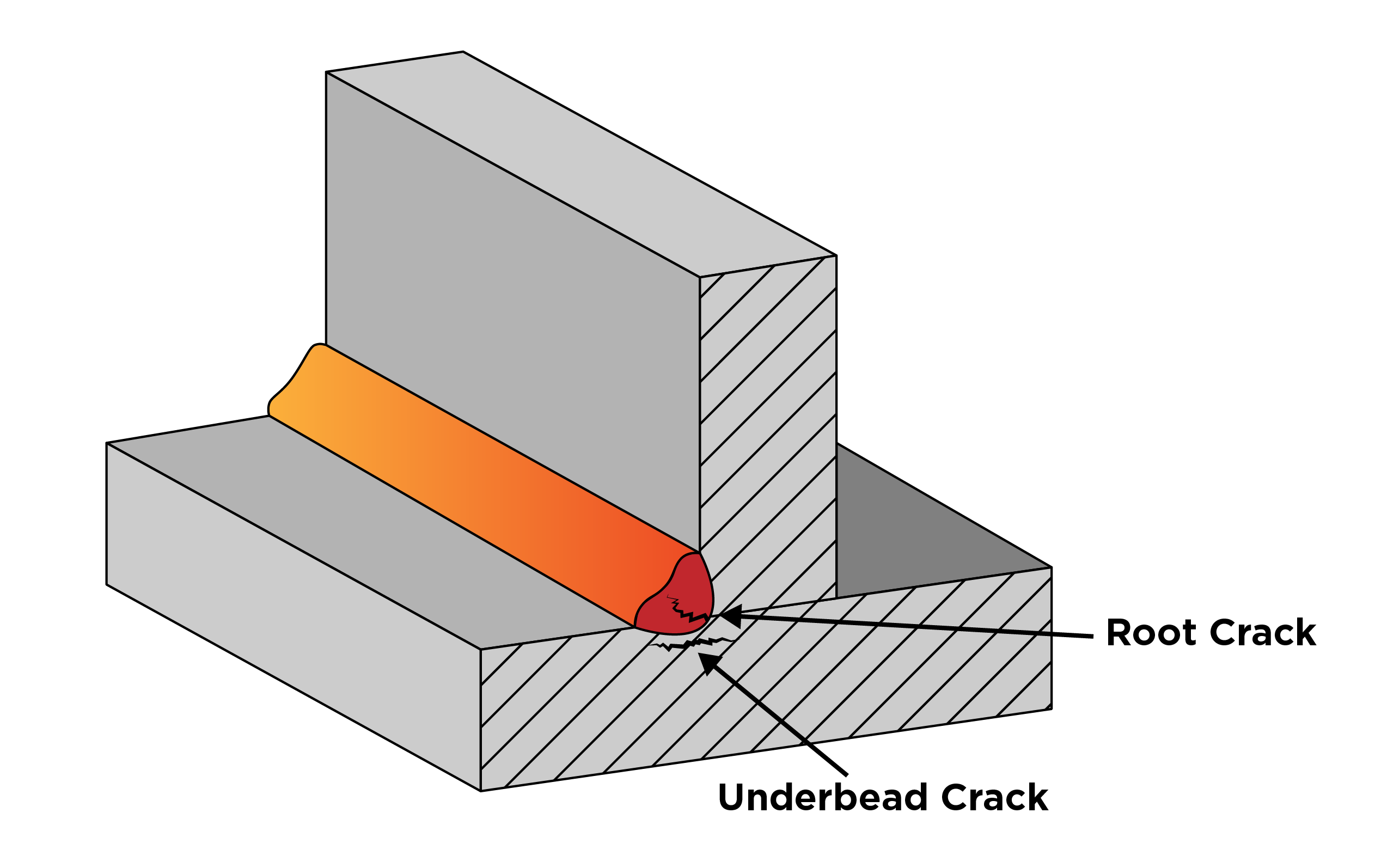
Root cracks occur at the root of the weld, where the back of the weld intersects with the base metal. Underbead cracks form just under the weld bead.
Both of these types of cracks are caused by hydrogen embrittlement and are most commonly seen in high-strength steels. Poor joint design can also contribute to the formation of these cracks.
Transverse Cracks
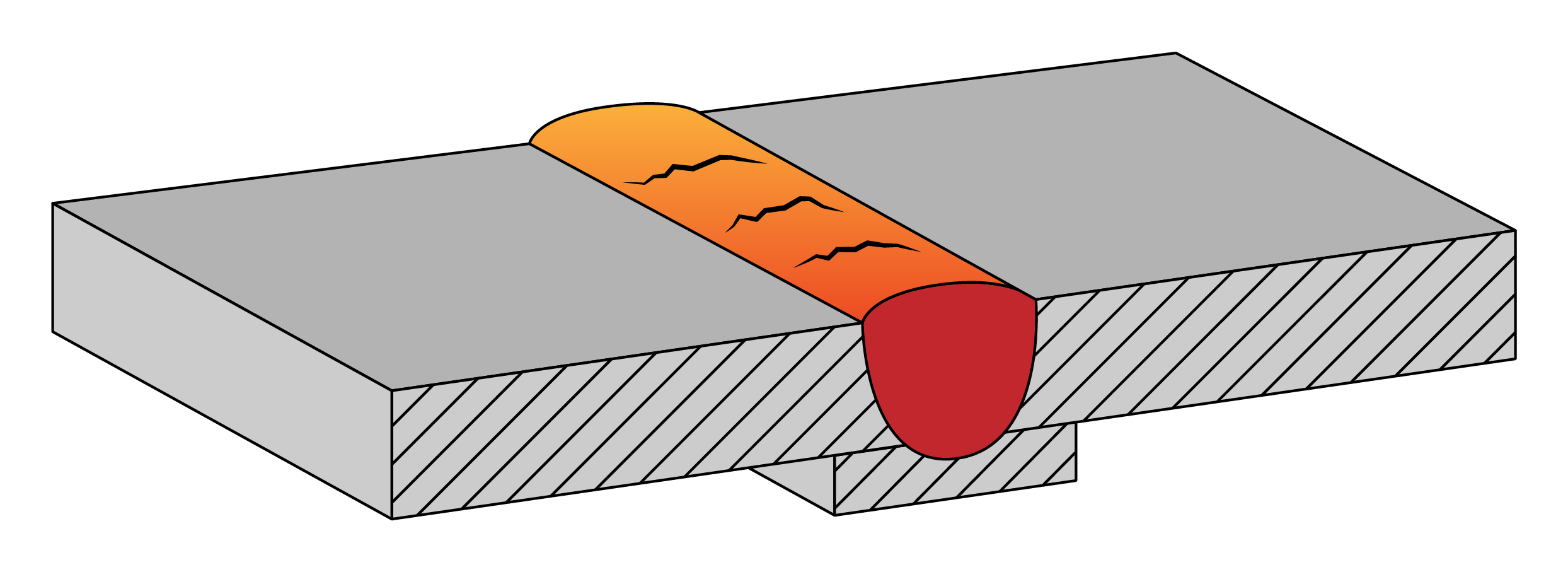
Transverse cracks occur horizontally (perpendicular to the travel direction) across the weld metal. They form due to hydrogen embrittlement as well as significantly overmatching the base material and using a too-high-strength filler metal.
Transverse cracks differ from other types of cold cracks as they usually form in the weld metal, rather than the HAZ, due to the longitudinal residual stress. They can, however, still appear in the HAZ.
Fusion-Line Cracks
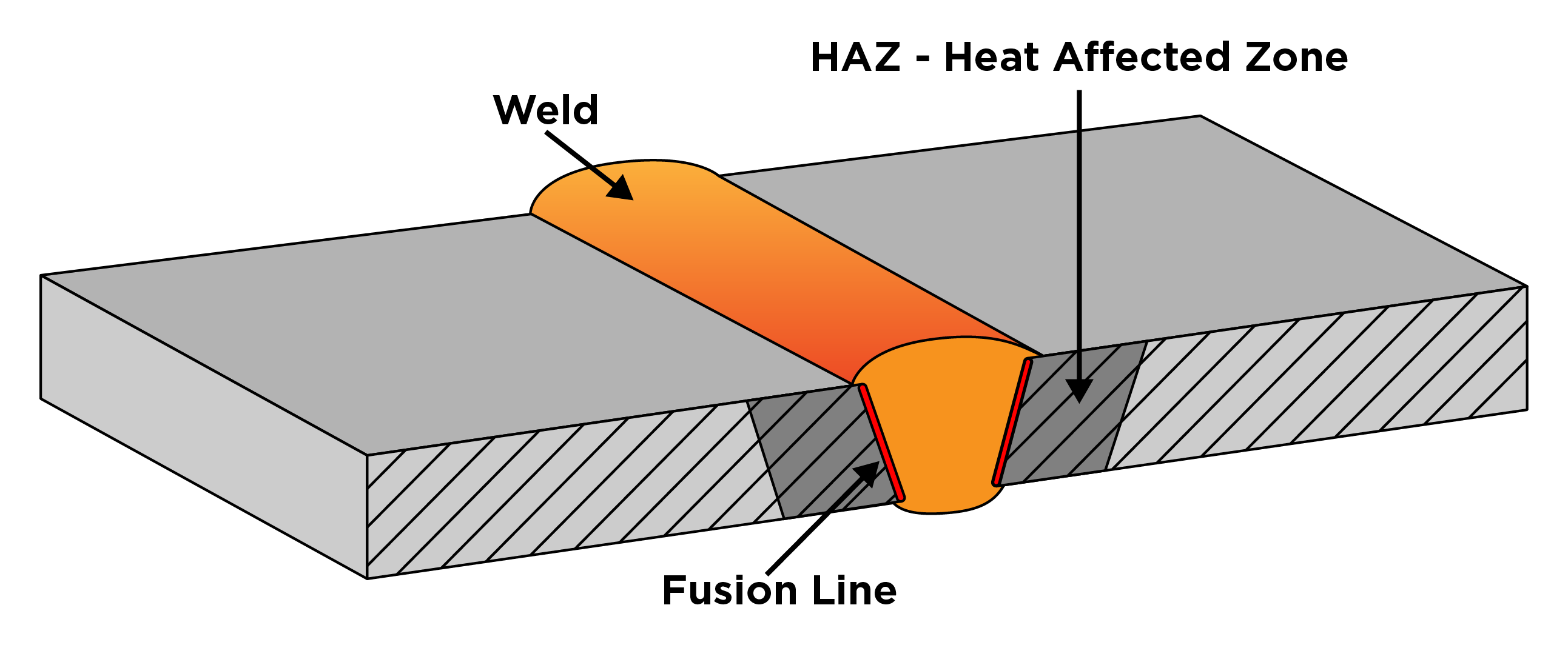
Fusion-line cracks occur along the fusion line, which is the boundary between the weld metal and the HAZ in the base metal. These cracks form due to hydrogen embrittlement and residual stresses, although a lack of fusion can also contribute to fusion-line cracks.
How to Prevent Cracks in a Weld
While there are several types of cracks and ways they might appear in your weld, the prevention methods will generally work for both hot and cold cracks. Plus, implementing a prevention method for a hot crack won’t cause a cold crack to form.
You can apply all of these prevention tips to minimise your chances of any kind of crack occurring in your welds.
Choose the Right Filler Metal
Make sure you’re using the right filler material for your weld. Mild steel is the most forgiving, but when welding stainless steel, aluminium and other uncommon metals, you need to get as close a match as possible. Your base metal grade and filler grade need to be compatible, the same or similar grades, without under or over-matching the tensile strengths.
You should also properly store your filler rods, wires and electrodes, especially those involving flux. That way, you can keep them as moisture free as possible, minimising the amount of hydrogen that can enter the weld.
You can also use low-hydrogen stick electrodes, like 7018s or the HYPERARC 16TCs, to reduce the amount of hydrogen in the flux. These are a good choice when working with high-strength steels.
Preheat Your Metal
Preheating your base material is one of the most effective ways to reduce cracking in your welds.
Preheating your metal reduces the cooling rate and temperature gradient across the metal by raising the temperature of the surrounding plate. It also limits martensite and sensitive microstructures that attract hydrogen molecules that cause cracks.
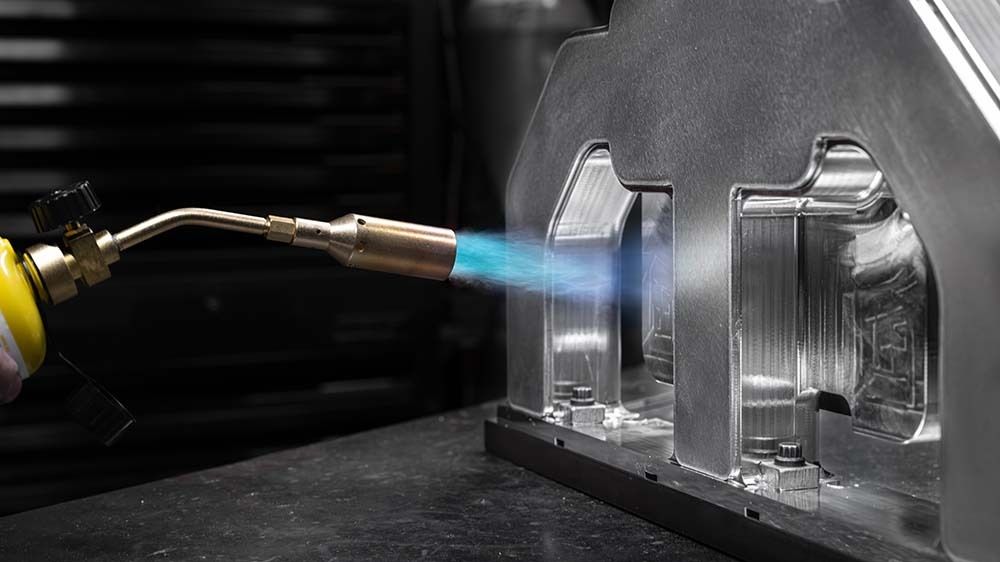
Preheating your metal minimises the shrinkage stresses in it and lets hydrogen dissipate from the weld joint and HAZ.
The necessary preheat will differ between steels and other metals, so make sure you’re using the required heat treatment.
Post-Heat Your Metal
As well as preheating your metal, you can also ‘post heat’ it. Post-heating a weld generally involves heating it to 200-230°C and holding it at that temperature for roughly one hour for each 2.5cm (1 inch) of material thickness. For a post-heat treatment to work, it needs to be applied before the weld is allowed to cool to room temperature.
Applying a post heat to your weld also slows the cooling rate of your weld and HAZ and helps with hydrogen diffusion through the joint.
Use the Right Parameters, Weld Technique & Travel Speed
The correct machine settings (voltage, wire feed speed and amperage) for all welding processes, the welding technique, and the speed you travel are essential to avoid cracks.
Concave weld beads don’t have enough material deposited into the weld to hold up against the residual stress. They are often the result of too high an arc voltage, too fast a travel speed, or the wrong torch angle. Lower your voltage and travel speed so that the weld has time to fill the joint, and adjust your torch angle to reduce your chances of cracking.
Convex weld beads with excessive weld reinforcement are also a problem. Too much filler metal and a convex bead often means the weld hasn’t washed into the toes, and the transition between the metals creates a stress raiser, leading to cracking.
Set your welder to suit your material thickness, push if welding with gas or pull if working with flux at a 10°-15° travel angle, and travel at a speed that lets your weld penetrate into the toes without causing extra build-up. If you’re doing a vertical weld, always travel upwards to avoid cracks on thick sections and to get proper penetration.
Have a Good Joint Design
Clean, grind, deburr, bevel, and clamp your joint into place. It should be lined up straight, with little to no gap and free of impurities. You also want to make sure that the metal has space to expand and contract if needed.
Restraining the welded parts can lead to extra internal stresses and cause cracking. If necessary, you may need to change your joint design to minimise the shrinkage stresses on the joint.
Use the Right Gas for Your Metal
Make sure you’re using the right gas for your material and weld type. If you’re TIG welding, you should be using pure argon, and if you’re MIG welding, you’ll need a mix unless it’s aluminium, in which case you’ll still need pure argon.
When welding a ferrous metal like carbon steel, don’t use a gas mixture with hydrogen, whether MIG or TIG welding. You want the amount of hydrogen that can be absorbed into the weld to be kept to a minimum.
Not sure which gas you need for your weld? Check out our guides on MIG gases and TIG gases.
Get the Right Width-to-Depth Ratio
If your weld bead is too wide or too deep, especially on metals more prone to cracking, you’ll likely end up with a weld crack. The shape of your bead impacts the way it solidifies and the internal stresses.
Your width-to-depth ratio should be 1:1, so the bead is as deep as it is wide. Anything more, either too deep or too wide, can cause a crack. If your bead is too deep, you may need to reduce your amperage or use a larger diameter electrode. If your bead is too wide, you may need to increase your travel speed or reduce your amperage.
Fill the End of Your Weld
When you finish a weld, make sure you fill it completely so that it matches the profile of the rest of the weld. Not enough filler will leave you with a crater at the end that can crack.
Some machines come with crater-fill features or end currents that you can use to fill in the weld as the amperage ramps down. Otherwise, you can use a ‘backfill’ method to add extra filler to the end of your weld.
Avoid Steels With a High Sulphur Content
Sulphur is one of those materials that has a low melting point and is susceptible to hot cracking down the centreline. Its melting point is only 112.8°C (compared to steel’s 1,205°-1,370°C), so it’s forced into the centre of the weld and can cause a crack.
If you can, avoid working on steel with a high sulphur content. Otherwise, using a filler material with a higher level of manganese can help to counteract the sulphur.
The problem with hot or cold cracking in a weld is that you can’t just go back over the top of it and fill it in. You need to remove that part of the weld or the entire weld and restart from scratch. If you can prevent the crack from forming in the first place, it’s going to save you a lot of time and effort.
Get The Free Ultimate Welding Guide!
Welding tutorials, tips, and settings in one eBook.